
Runoff Election in Chile: Kast Holds an Advantage as Jara Seeks to Win Over Undecided Voters
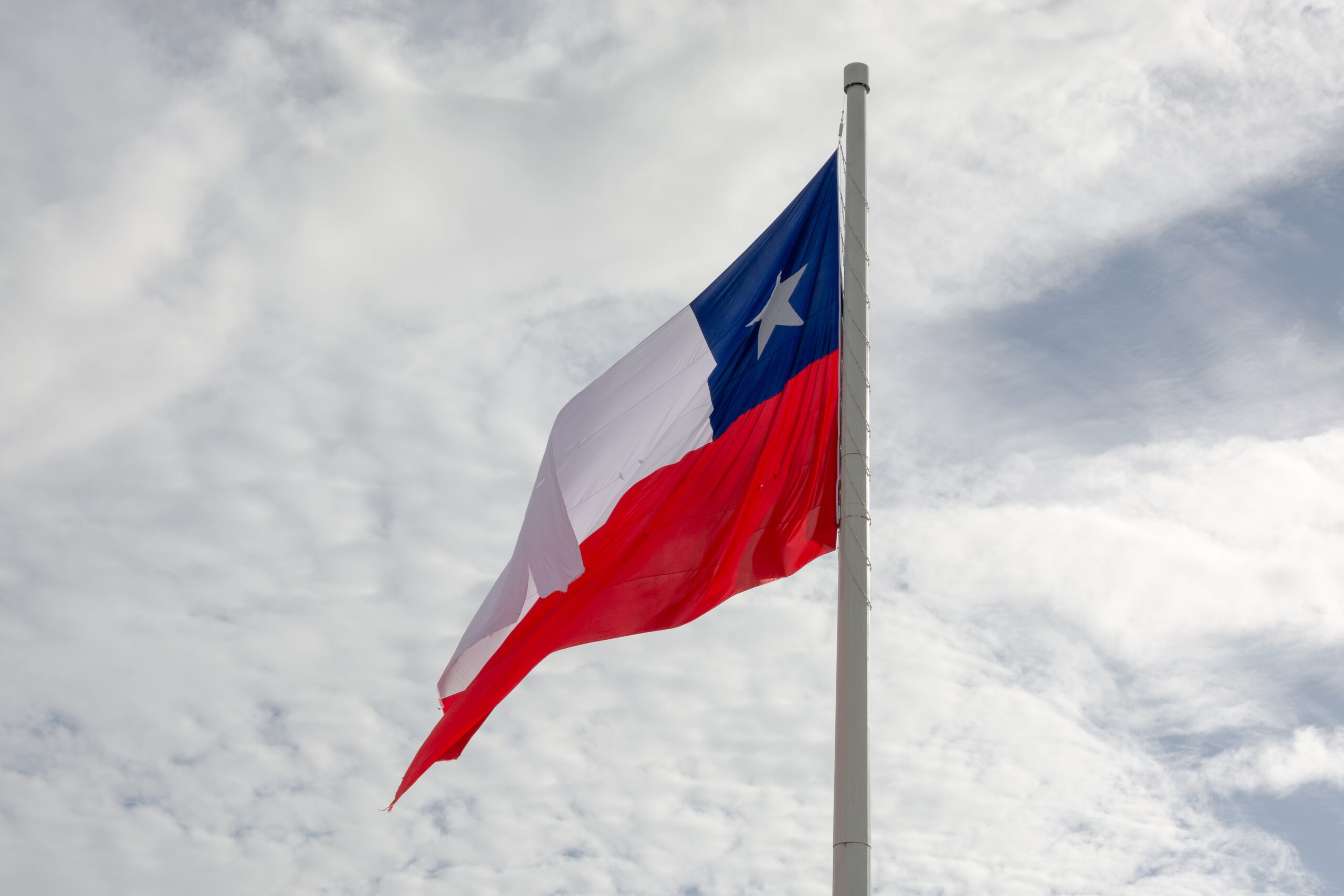
On Sunday, December 14, José Antonio Kast, of the Republican Party, and Jeannette Jara, the governing coalition Unidad por Chile’s candidate, will face off in a runoff election for Chile’s presidency for the 2026–2030 term. The winner will take office on March 11, alongside the newly elected Congress defined in the November 16 elections. This will be the seventh consecutive presidential race in which Chile has chosen its president through a runoff.
Although Chilean law has prohibited the publication of new polls since November 30, all surveys released prior to the blackout showed a solid advantage for Kast, who stood at 49.5% voting intention. After the first round, he quickly consolidated support from across the right, particularly from former candidates Johannes Kaiser and Evelyn Matthei. Jara, meanwhile, appeared around 36.5%.
Still, the behavior of Franco Parisi’s voters—who secured nearly 20% of the vote in the first round—could prove decisive. While Parisi has not indicated support for either candidate, some studies showed that between 37% and 50% of his voters might lean toward Kast, while between 14% and 20% could back Jara. The remaining 25% remained undecided.
A New Congress Without Majorities
The November 16 legislative elections completely renewed the Chamber of Deputies and 23 seats in the Senate. No political force secured a majority, although the right came very close in both chambers—one seat short in the Senate and two seats short in the Chamber of Deputies. Within this spectrum, the more radical right-wing bloc “Cambio por Chile” showed significant growth over the traditional right. This configuration offers a more favorable outlook for Kast should he win the presidency, as he would require fewer additional votes to advance his legislative agenda. The Partido de la Gente, with 14 seats in the lower house, may become a key player depending on its internal cohesion and parliamentary strategy.
Until March 11, 2026, the current Congress will remain in session and continue debating several relevant initiatives before the February recess. Priority bills include those on Employment Subsidies and Universal Childcare, as well as legislation for the development and regulation of artificial intelligence. Other proposals moving forward aim to strengthen the National System of Support and Care, promote tourism, and create an Economic Intelligence System. This period will be crucial for the outgoing administration as it seeks to advance its priorities before the transition of power.